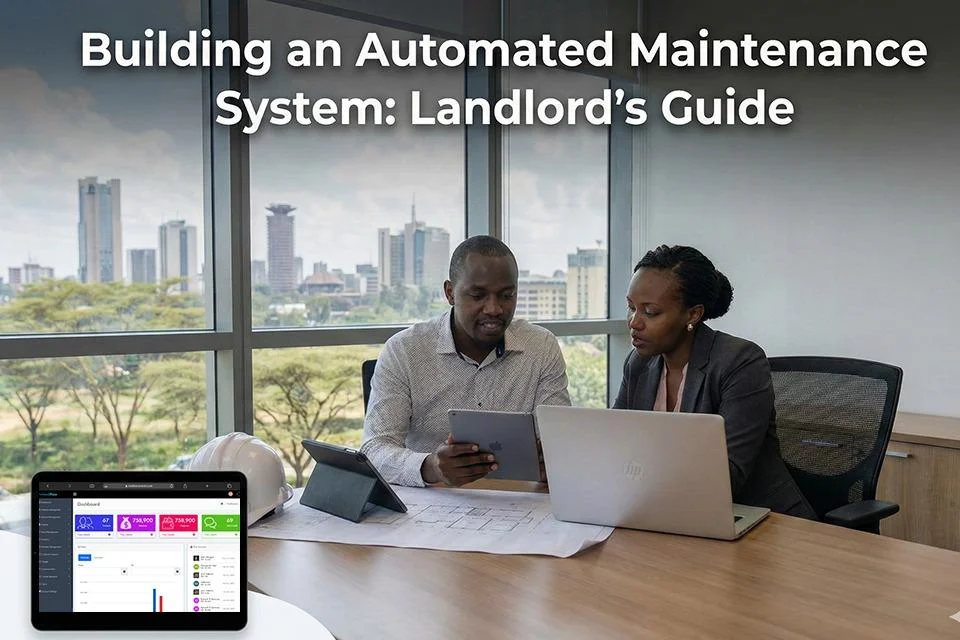
Managing maintenance requests manually can quickly become overwhelming: missed calls, forgotten tasks, slow response times, confused contractors, and frustrated tenants. Yet maintenance is one of the biggest factors affecting tenant satisfaction, property value, and overall operational efficiency. That’s where automation comes in.
With a platform like KodiFlow, landlords can streamline the entire maintenance lifecycle, from request to resolution, without the constant back-and-forth.
This guide will walk you through how to build an efficient, automated maintenance system using modern tools that work for you, not against you.
1. Start With a Centralized Maintenance Portal
The foundation of automation is having one place where everything begins.
With KodiFlow, tenants can:
- Submit maintenance issues online
- Attach photos or videos for clarity
- Provide details about urgency
- Track the status of their requests in real time
For landlords, this means:
- No more phone calls at odd hours
- No scattered WhatsApp messages
- No forgotten or duplicated tasks
- Every issue enters a single organized pipeline.
2. Automate Ticket Assignment & Scheduling
Once a request is submitted, KodiFlow automatically:
- Categorizes the issue
- Logs it under the correct property
- Assigns it to the right service provider or in-house technician
- Sets timelines and priority levels
This removes guesswork and ensures urgent issues, like water leaks or power failures, get immediate attention.
3. Keep Tenants Informed at Every Step
Communication is one of the biggest pain points in property maintenance.
KodiFlow automates:
- Status updates
- Technician arrival notifications
- Completion messages
Tenants feel heard and landlords avoid constant follow-ups. Everyone stays aligned without lifting a finger.
4. Track Technician Performance & Vendor Reliability
Automation isn’t only about speed, it's about accountability.
KodiFlow helps landlords monitor:
- Response time
- Time taken to resolve each issue
- Repeat issues from the same unit
- Technician ratings or notes
Over time, this helps you determine which contractors are reliable and which ones need replacing.
5. Maintain a Digital Record of All Work Done
Every maintenance activity becomes part of the property’s digital history.
You can easily pull up:
- Past repairs
- Cost records
- Photos before/after fixes
- Warranty documents
- Contractor invoices
These records help in:
- Budgeting
- Predictive maintenance planning
- Minimizing recurring issues
- Keeping your property valuation high
Good records = fewer surprises later.
6. Use Data for Predictive Maintenance
With all maintenance data centralized, KodiFlow enables landlords to identify patterns, such as:
- Units with frequent plumbing issues
- Appliances nearing end-of-life
- Seasonal maintenance spikes
- Average cost per repair
Data-driven insights help you anticipate issues before they become expensive emergencies.
7. Automate Reporting & Compliance
KodiFlow generates:
- Monthly maintenance summaries
- Cost breakdowns
- Repair histories
- Vendor performance reports
These reports help landlords stay organized, compliant, and financially informed, without spending hours pulling files or crunching numbers.
Final Thought
An automated maintenance system isn’t just a convenience, it's a competitive advantage.
It reduces downtime, improves tenant satisfaction, cuts operational costs, and eliminates the chaos of manual coordination.
🛠️ With KodiFlow, you get a streamlined, end-to-end maintenance workflow.
Book a free Demo today and let KodiFlow help you manage properties like a pro.